The Gift That Never Returns

As this year comes to a close, we pause not to count how much we have done, but to reflect on how we used the time entrusted to us by the Almighty.

Time is not measured only by clocks and calendars, but by intentions, actions and mercy shown to others. We are constantly reminded that every moment is a gift and every gift carries a responsibility. We are reminded by oaths made by time in the Holy Scriptures, yet we do not reflect. Some moments pass quietly, others return to us as blessings because we used them to ease someone else’s burden. We are provided life, given time of a certain number of years, but constantly delay the most important items of our journey. The questions we should ask ourselves is how much time have we actually wasted.

Some are of the view that feeding does not assist in adding value to someone’s life. Feeding another person is never just about food. It is about dignity and hope. It is about standing in the place where God loves among those who give without being asked and who see need before it is even spoken.

As we completed our final cooking of the year, this is an invitation to reflect on how we used the time we were given over the past year? Did our moments draw us closer to God? Did they leave someone warmer, fed, or less alone? Did we draw closer to our Creator through our actions?

We may not be accountable for the outcomes, but we are accountable for the effort, sincerity and intention, as well as our time spent during our lives. A single meal given sincerely can outweigh days lost to distraction. What matters is not how much we give, but that we give while we are able and make it part of our lives.

The year may be ending, but the door to goodness remains open. We pray that this final cooking be a moment where we reflect, we turn gratitude into action and intention into provision.

May God accept from all who contributed over the past year, forgive our shortcomings in time past and allow our final actions of this year to be among our best.

The most beloved people to Allah are those who are most beneficial to others.

— Prophet Muhammad ﷺ

We pray that we live a life that is beneficial to humanity, Ameen.

Why Feeding Others Matters More Than Ever

Poverty in the world today is not always obvious. It doesn’t only exist on the streets. It hides behind closed doors in ordinary homes. It’s present in families who earn just enough to survive month to month, but not enough to weather a crisis. A lost job, an illness, a sudden price increase results in their stability collapses.

Food insecurity today is less about the absence of food in the world and more about the breaking of social bridges within our community, with our neighbours and our family. Where these connections weaken, hunger quietly grows.

As the world changes, technology becomes a layer between people, it risks removing the warmth of human care. A message on a screen can never replace a shared meal. A digital transfer can never replace the dignity of being seen, heard and cared for as a human being, not merely a statistic. In a time where society becomes increasingly self-focused, choosing to feed others is a powerful way of suppressing our pride and egos. It reminds us that being human is not about what we own, but what we give.

Throughout our lives, humanity is tested. Our test today is not only how we use technology, but how we protect humanity within it. As the world grows more digital, we must choose to become more compassionate and empathetic.

Feeding someone is a universal language spoken by every culture, every faith and every heart. It is an act of mercy, a bridge between strangers and a protection against despair. In giving food, we do more than fill a stomach. We rebuild what it means to be human. Donate today by providing hope to those in a state of hopelessness.

Elevation in This Life and the Next

We live in a world that measures success by how high we rise: our qualifications, our wealth, our social status, our titles. This life teaches us that “higher” means “better.” Whereas the hereafter teaches us something completely different.

In the sight of the Almighty, true elevation happens not when we rise above people, but when we lower ourselves in humility. When we take the most honoured part of our body our forehead and place it on the ground in prostration, which although is the lowest physical position, the Almighty raises us to the highest spiritual ranks.

We are reminded that Greatness in dunya is built upwards, whereas Greatness in the hereafter is built downwards.

Feeding the hungry is not just an act of charity, it is an act of humility. When you feed someone you acknowledge their struggle, you recognise your own blessings, and you serve another human being purely for the sake of compassion. Feeding someone strips away ego and it removes the illusion of superiority. We are reminded us that sustenance is not earned, it is given by the Almighty.

In that moment, when you hand over a meal, you are performing a subtle form of prostration, lowering yourself to uplift another and the Almighty raises you for it.

The Prophet ﷺ said:

The best of you are those who feed others.

Notice he did not say “the wealthiest,” “the most educated,” or “the most influential.”

He said:

“Those who feed others.”

Because feeding others is not about what we have it is about who we are.

At the Falaah Foundation, feeding is not just a programme, it is a philosophy and a spiritual practice and a daily reminder that our ranks are raised through humility, not hierarchy.

Through our feeding schemes, food parcels, and community kitchens we aim to:

uplift dignity, restore hope, and be a mercy to those who need it most.

Every meal you help provide is a statement:

I see you. You matter. You are not alone.

Feeding someone is one of the most beautiful forms of this humility. It is prostration in action.

May our hands always be used to give, our hearts always be soft enough to feel and may the Almighty raise us in rank for every act of service done sincerely.

From Sacred Journeys to Serving Humanity

As we recently journeyed through the blessed lands of Makkah and Madinah, our hearts are filled with deep reflection and gratitude. Standing in Makkah taught us the essence of submission that before our Creator, we are all equal, walking shoulder to shoulder in humility and unity.

Madinah reminded us of compassion that faith is perfected through kindness, gentleness and service to humanity enhancing our character.

These lessons transcend faith and culture. Whether Muslim, Christian, Jewish, Hindu, or of any path that calls to goodness, we are all bound by one truth our shared humanity. Each act of care, each meal shared and each hand extended in kindness becomes a universal prayer.

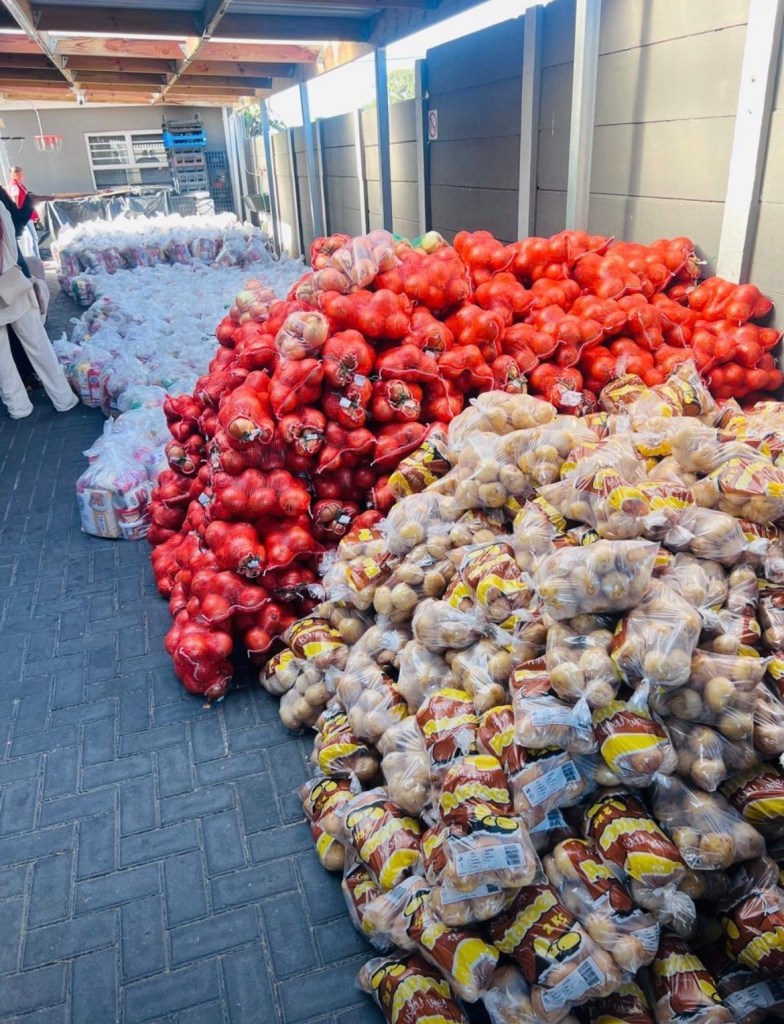
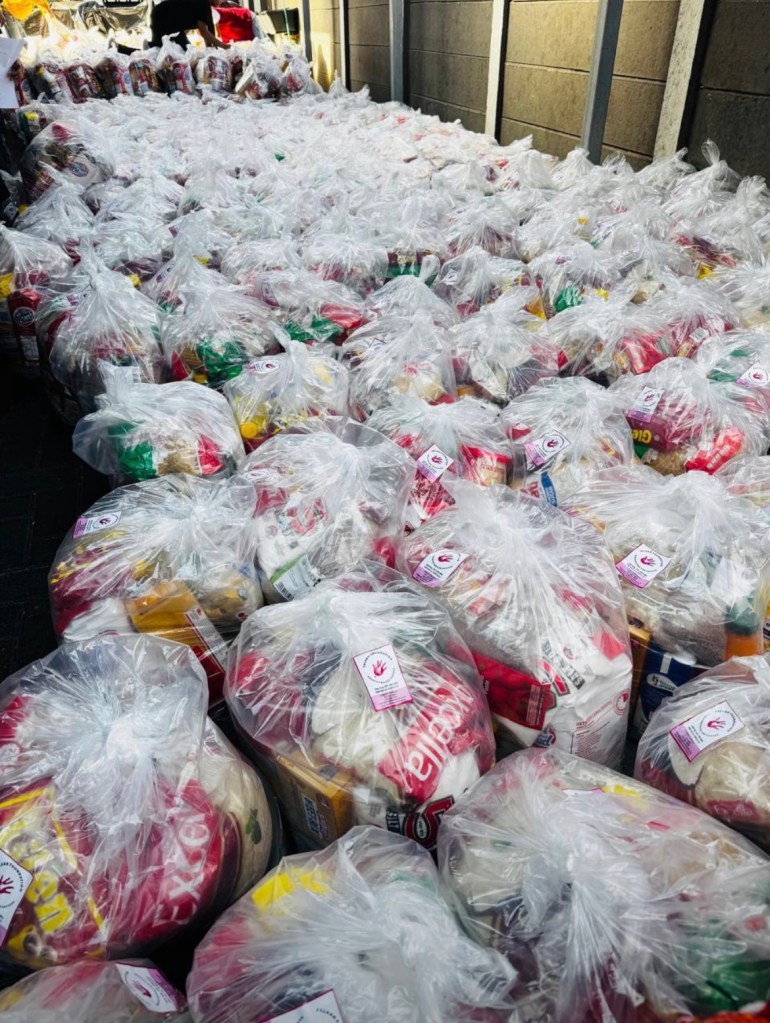
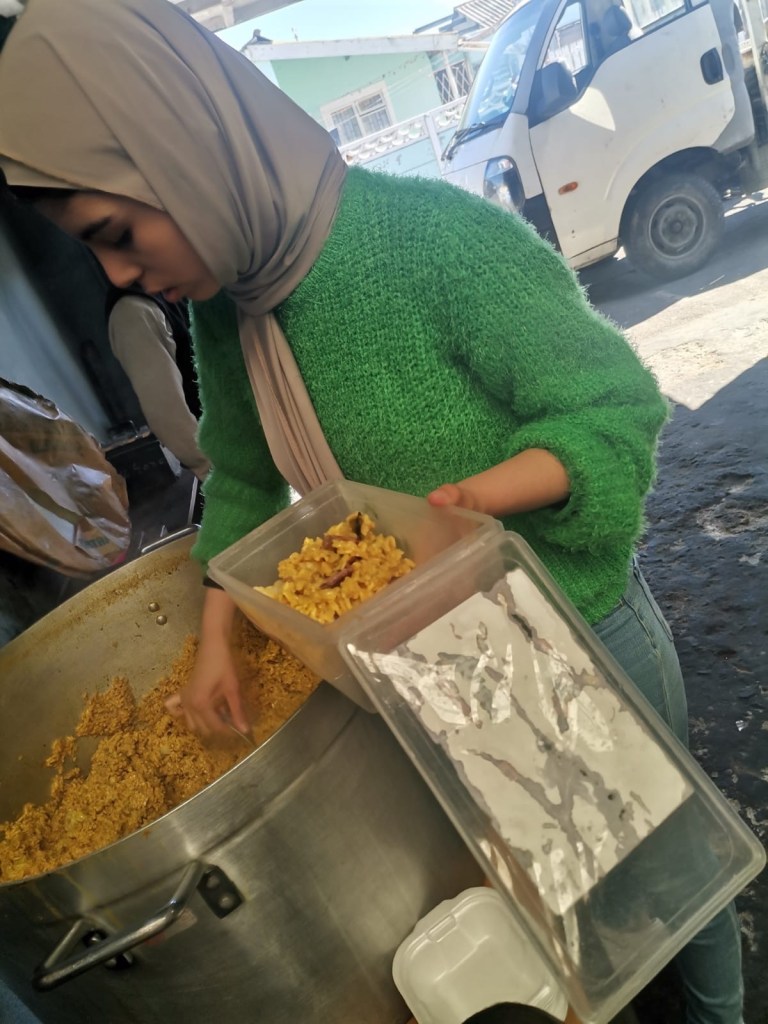
Today we come together to cook, serve and share meals with love and sincerity feeding approximately 2,750 people of the communities of Lavender Hill, Vrygrond, Tafelsig, Retreat, Milnerton, Seawinds, Bishop Lavis, Khayelitsha and Schaapkraal.

This is not only about food it’s about hope, dignity, and togetherness. Let our pots be filled with blessings, our hearts with compassion, and our actions with purpose. Let this feeding remind us all that when hearts unite, hunger fades and humanity shines.

May the Almighty bless every hand that gives, every heart that prays, and every soul that strives to make the world a kinder place and may these meals serve as a reflection of what we learned in the holy lands that true worship lives in service and true faith blossoms in love.

Please support our feeding initiatives, together we can achieve much more.

The Generosity of God reflected in nature

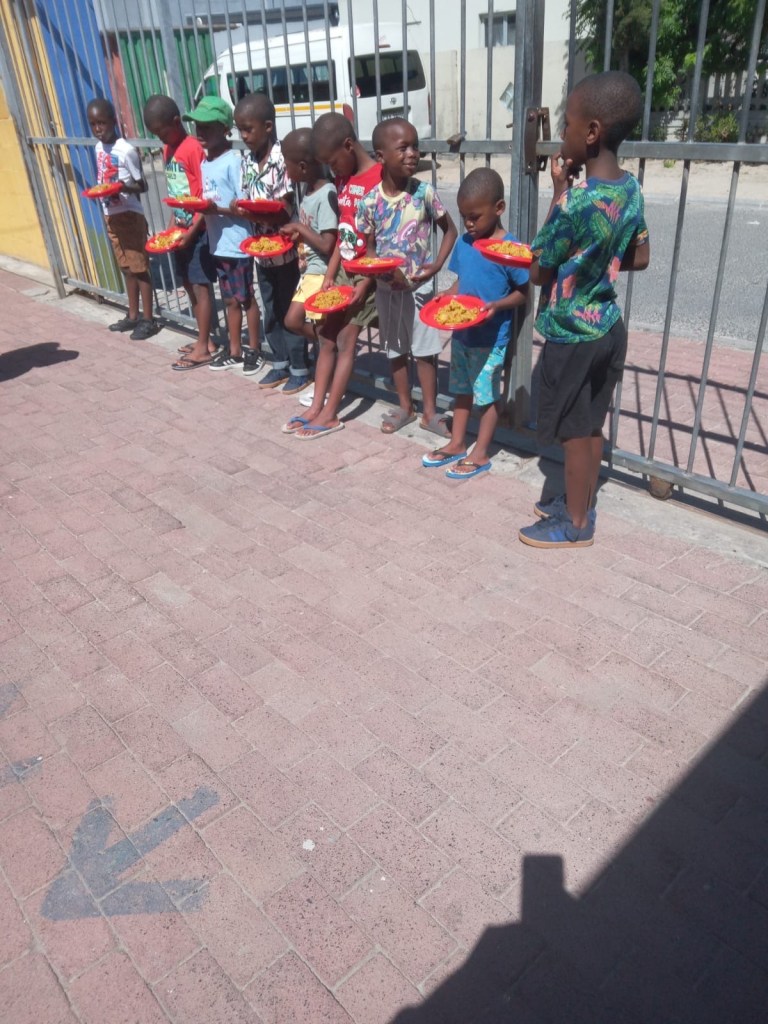
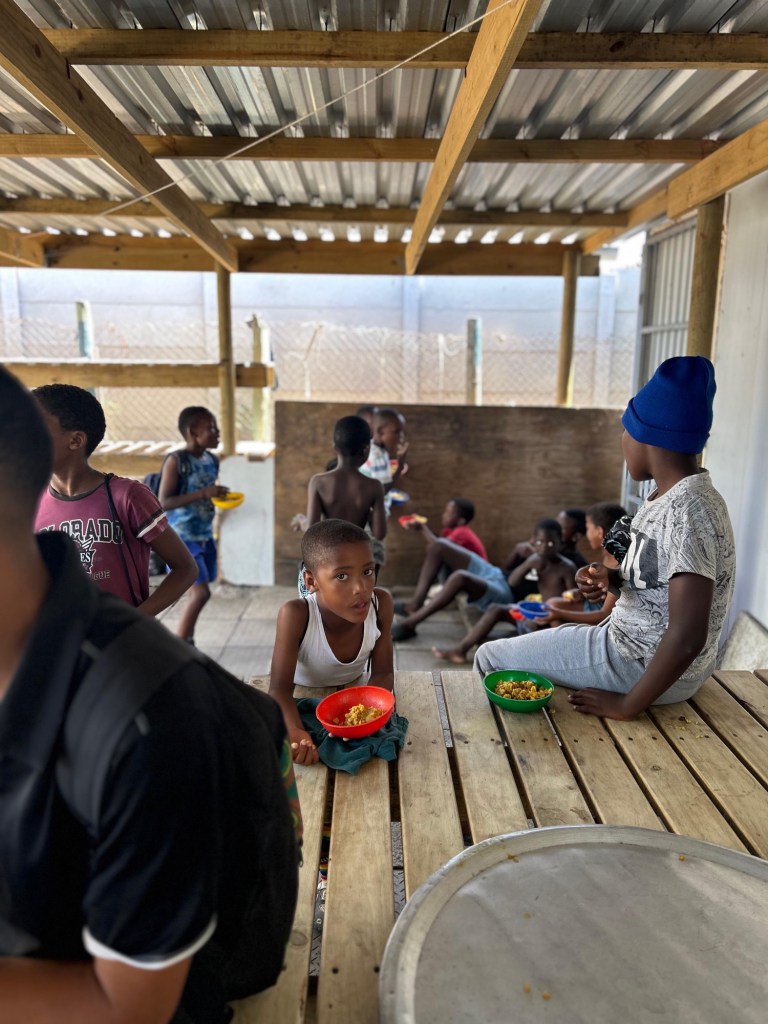
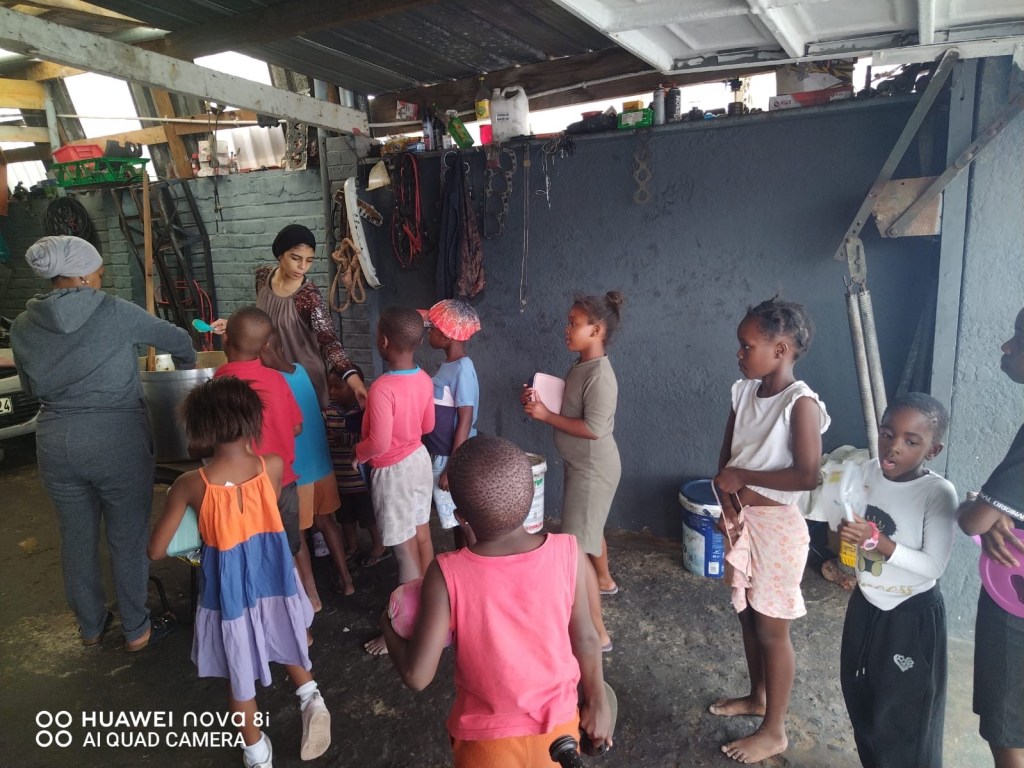
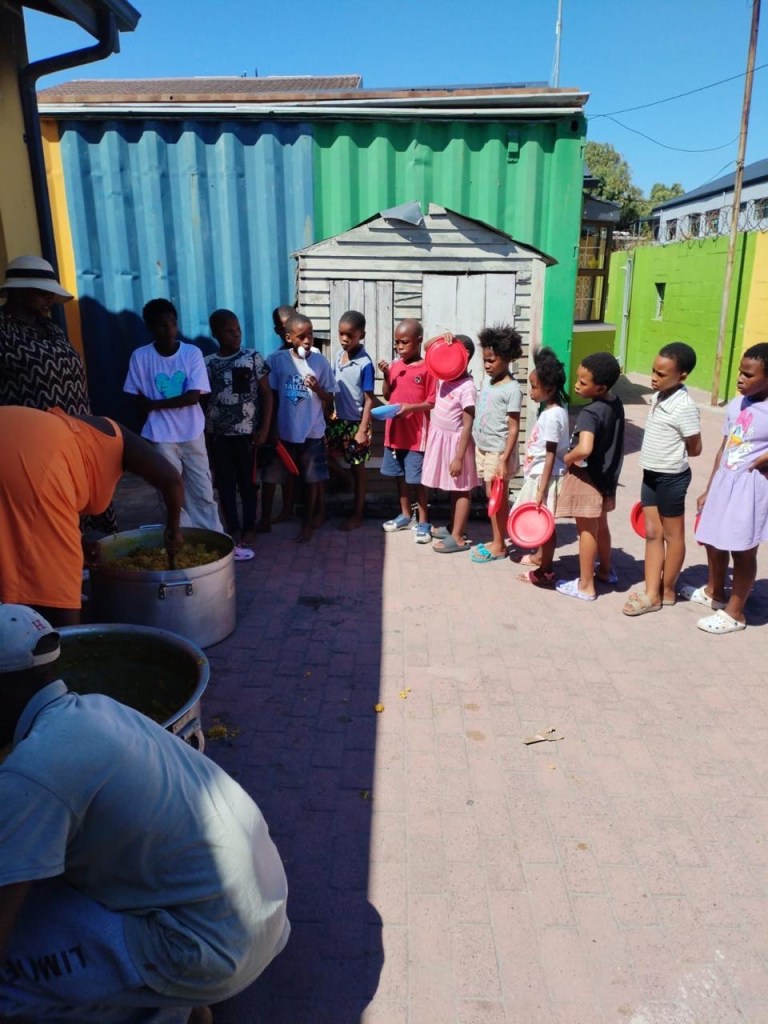
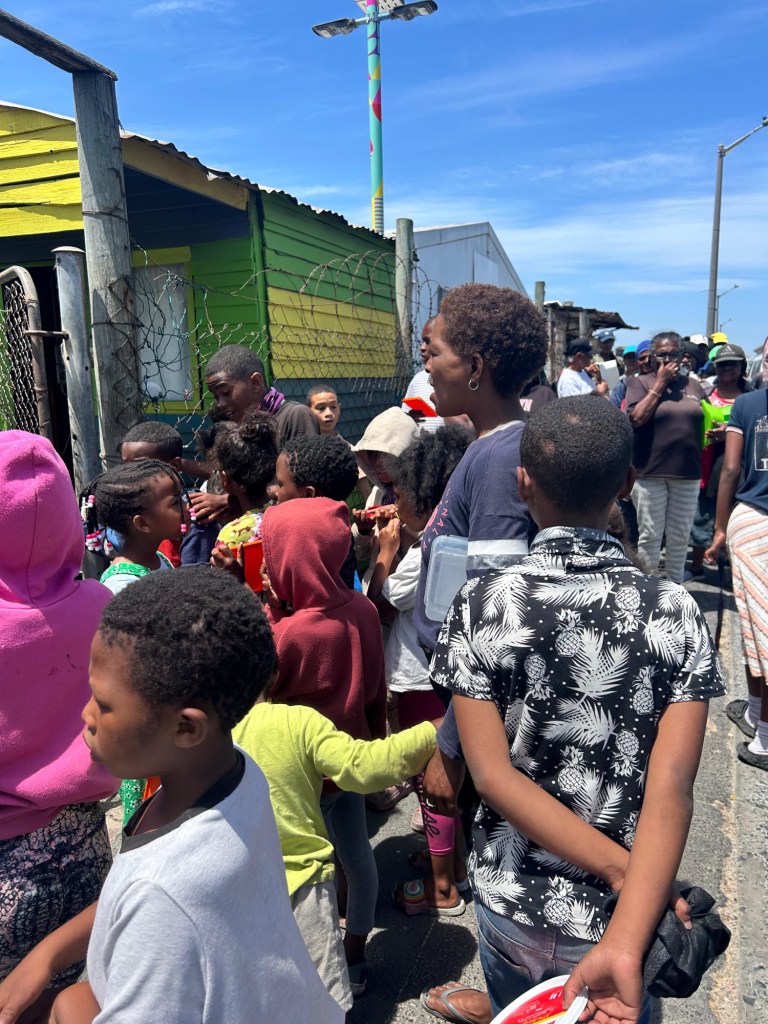
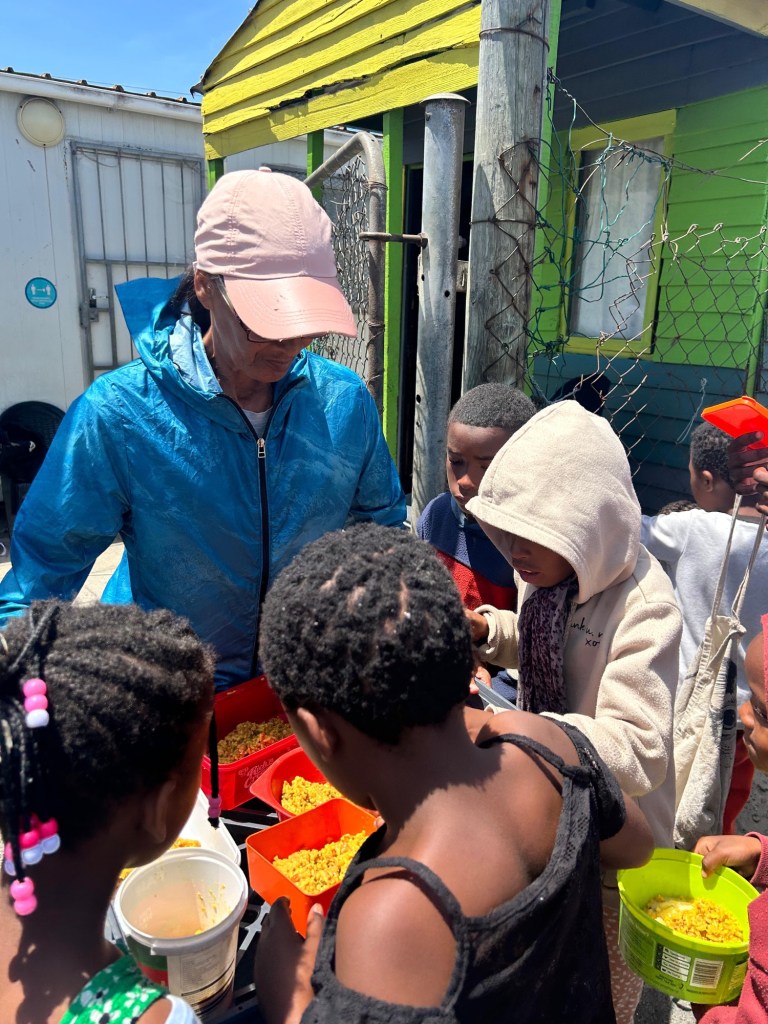
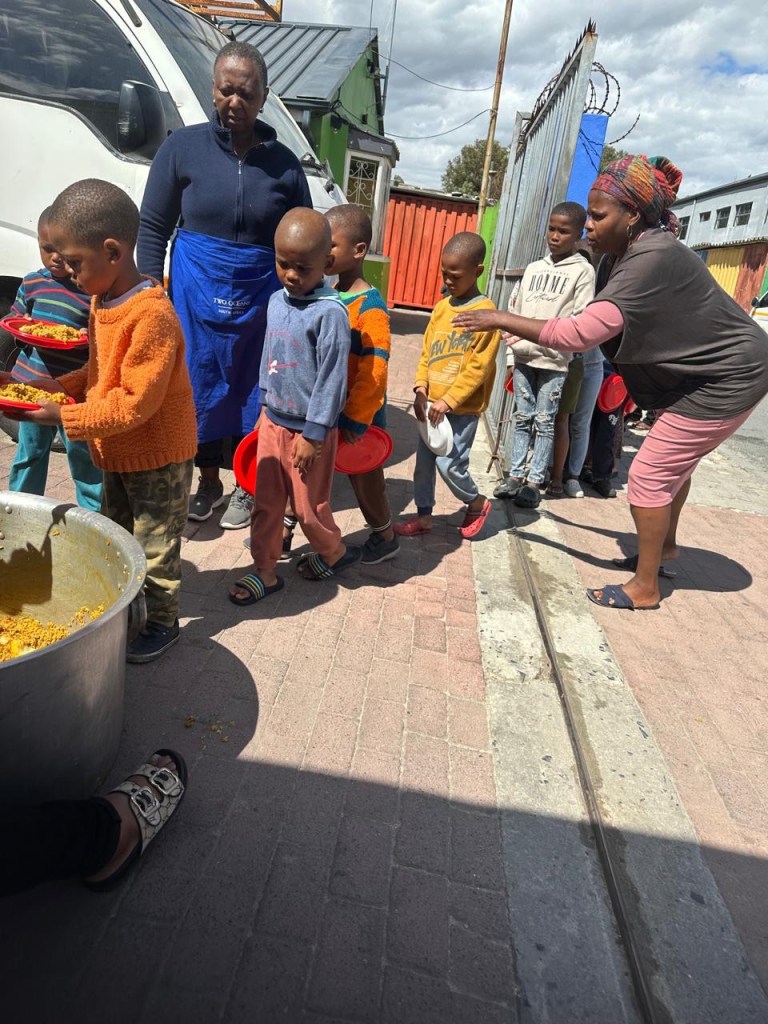
Children in Khayelitsha being fed

When we look at the world around us, we are reminded of the unlimited generosity of our Creator. God, the Most Generous (Al-Karīm), does not withhold His blessings. Rather, His generosity is reflected in every element of nature, teaching us profound lessons about how we should live and serve others.

As water flows continuously through rivers, streams and oceans, it never flows for itself. It nourishes the land, quenches the thirst of people and animals, as well as sustains life in countless forms. The water’s purpose is not selfish but it gives and through its giving, life thrives. The sun however shines with warmth and brilliance, but similarly never for itself. Its light brings life to the earth, guiding growth, providing energy and enabling all living beings to flourish. The sun never holds back its rays, no matter who stands beneath them. It serves all without discrimination, reflecting God’s mercy and generosity. Similarly, a tree does not bear fruit for its own nourishment. Instead, it provides sweetness and sustenance to others humans, animals and even the soil that benefits from fallen fruit. The tree stands as a living example of service, reminding us that our purpose is not only to exist but to enrich the lives of those around us.

Within these examples are lessons allowing us to reflection upon. If water, the sun, trees and an even flowers often seem as lifeless creations can live in constant service to others, what then of us, the most honoured of God’s creation? We have been given so much of intellect, emotions, and purpose. Surely, our lives should reflect even greater generosity. Through the grace of the Almighty your contributions yet again allowed us to continue feeding those in need in our communities, approximately 2,750 people could go to bed having had a meal yesterday, Subahaanallah.

Our purpose in life is not simply to gather for ourselves but to give, to serve and to uplift. True fulfillment comes when we understand that what we have is a trust, meant to flow through us to others, just as water flows, the sun shines, the trees bear fruit, and the flowers release their fragrance.

Let us take the lesson from nature and strive to reflect the generosity of our Creator. For in giving, we find our true purpose, and in serving humanity, we serve God.

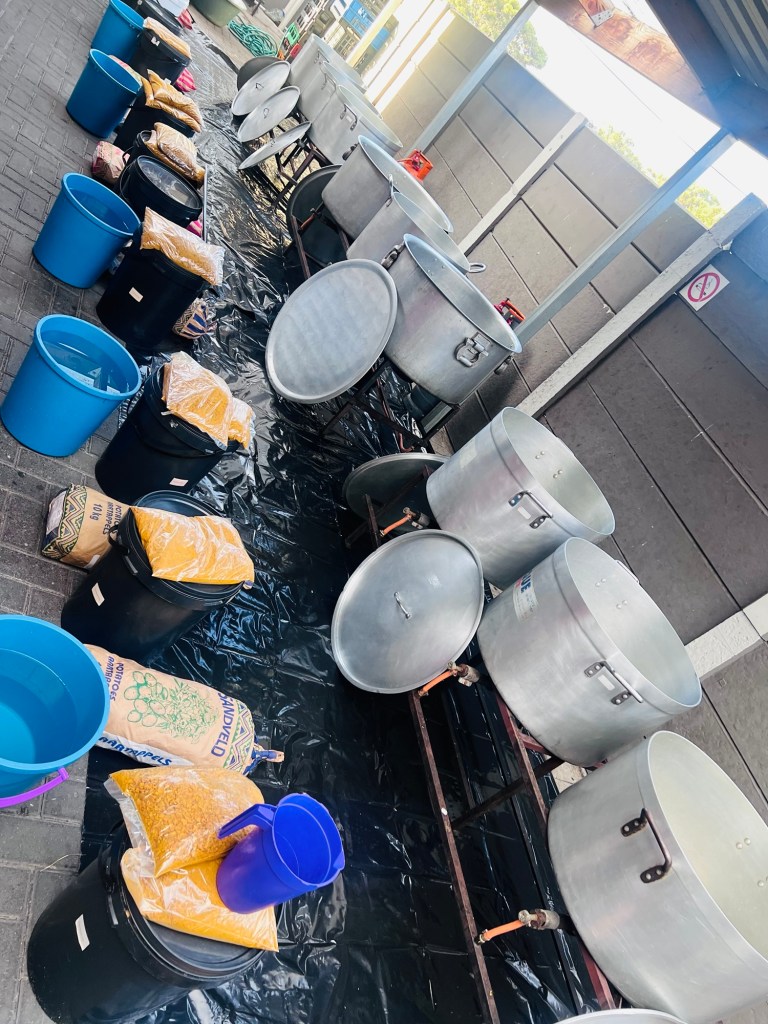
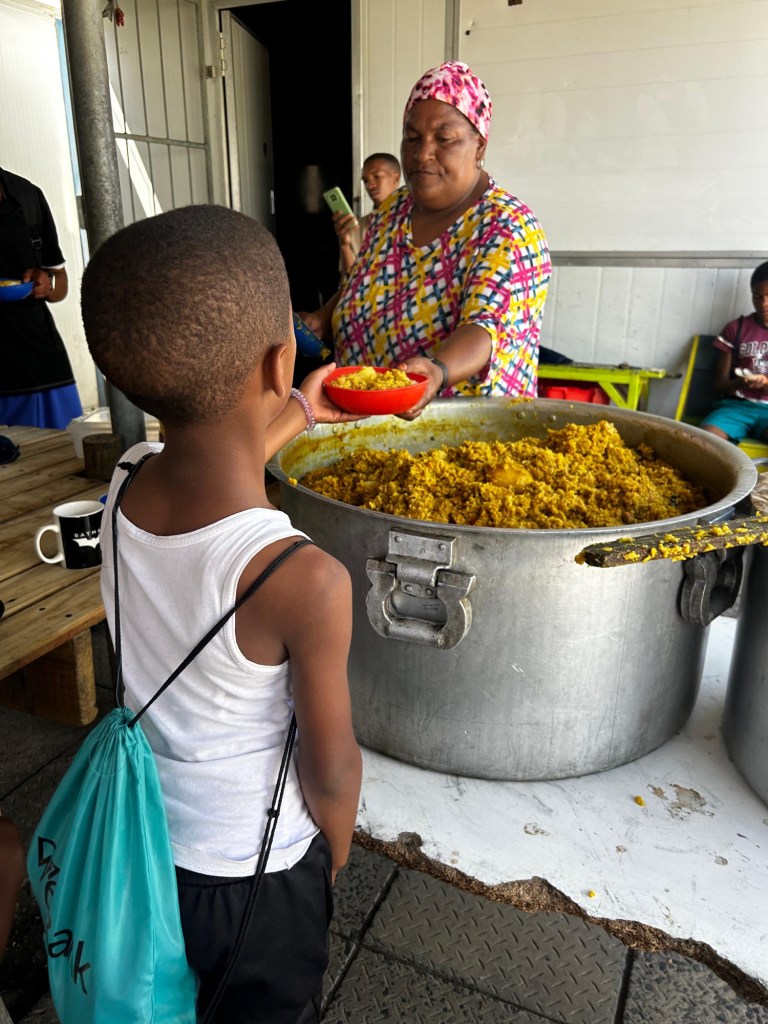
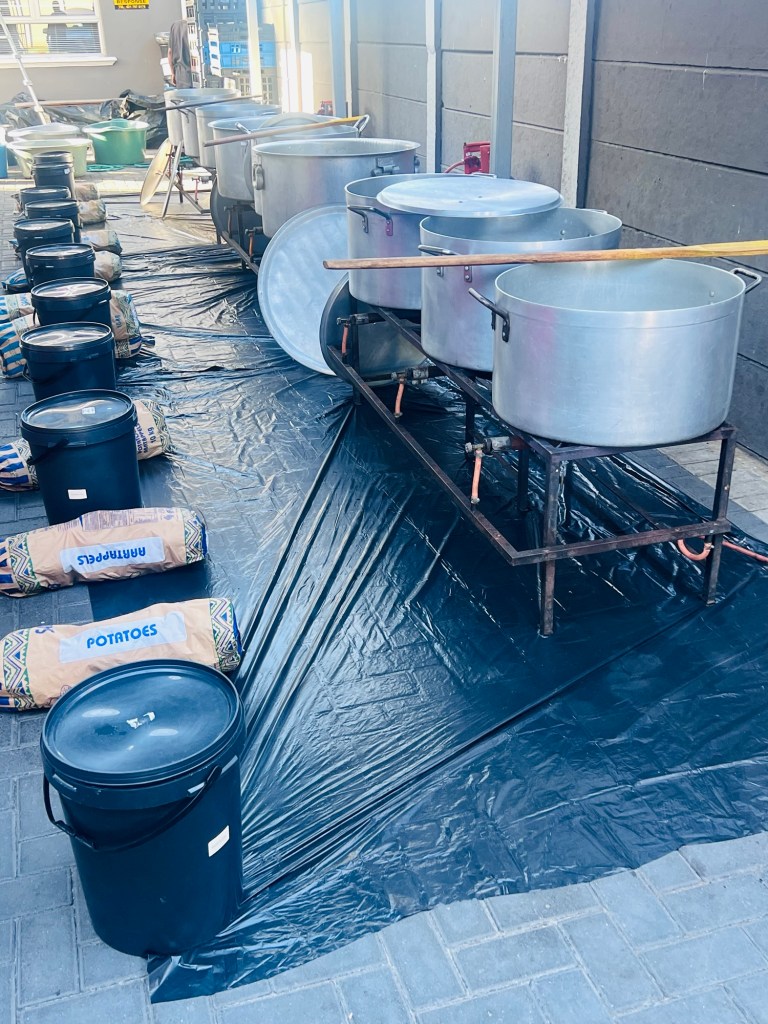
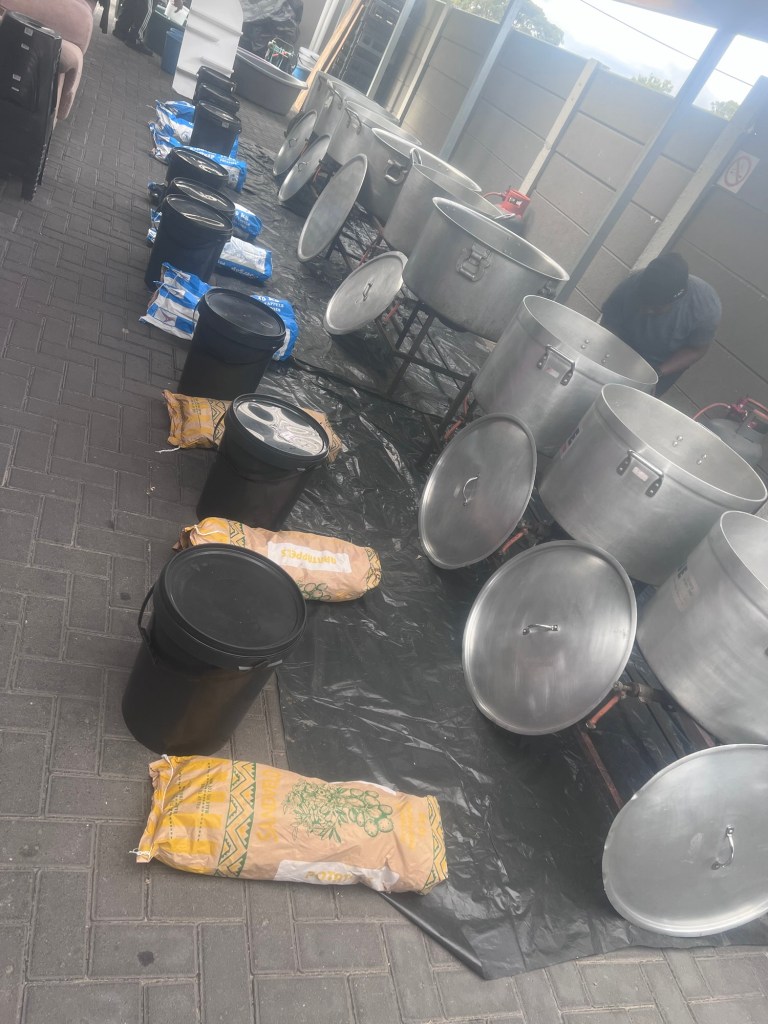
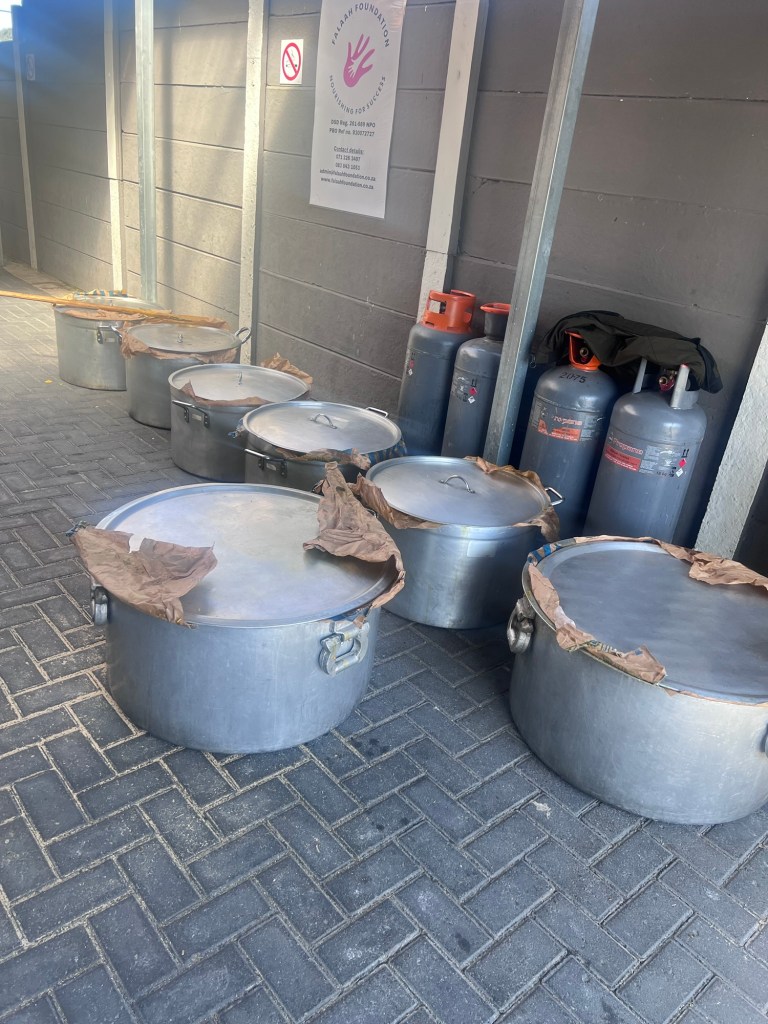
Pots ready for collection
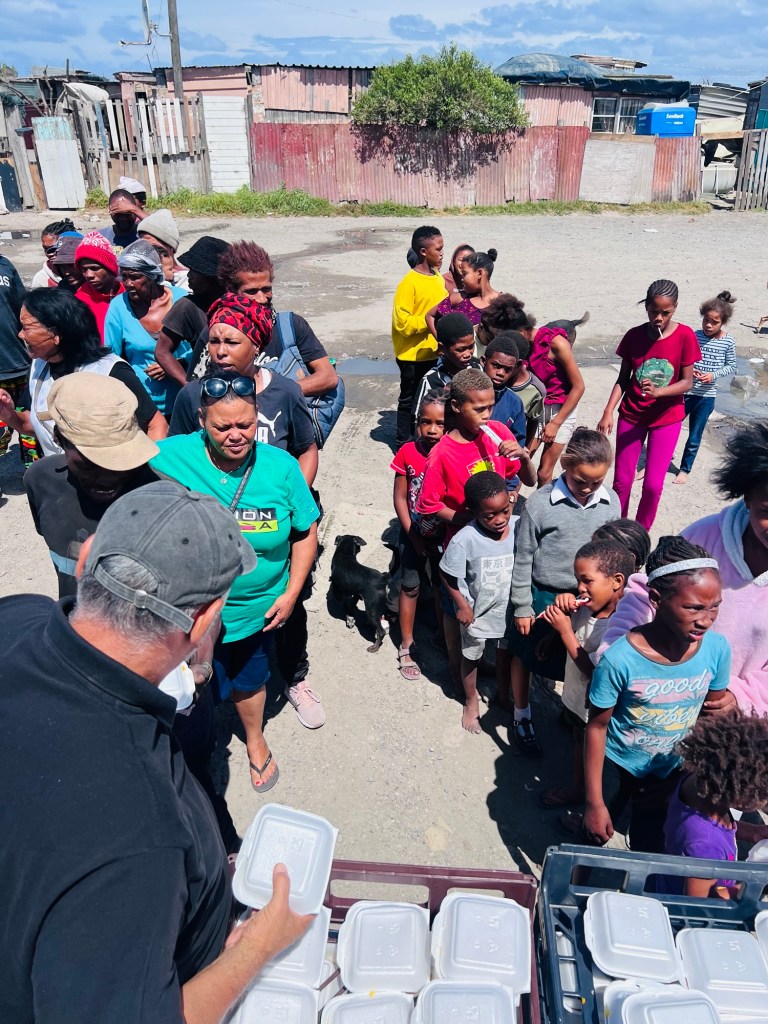
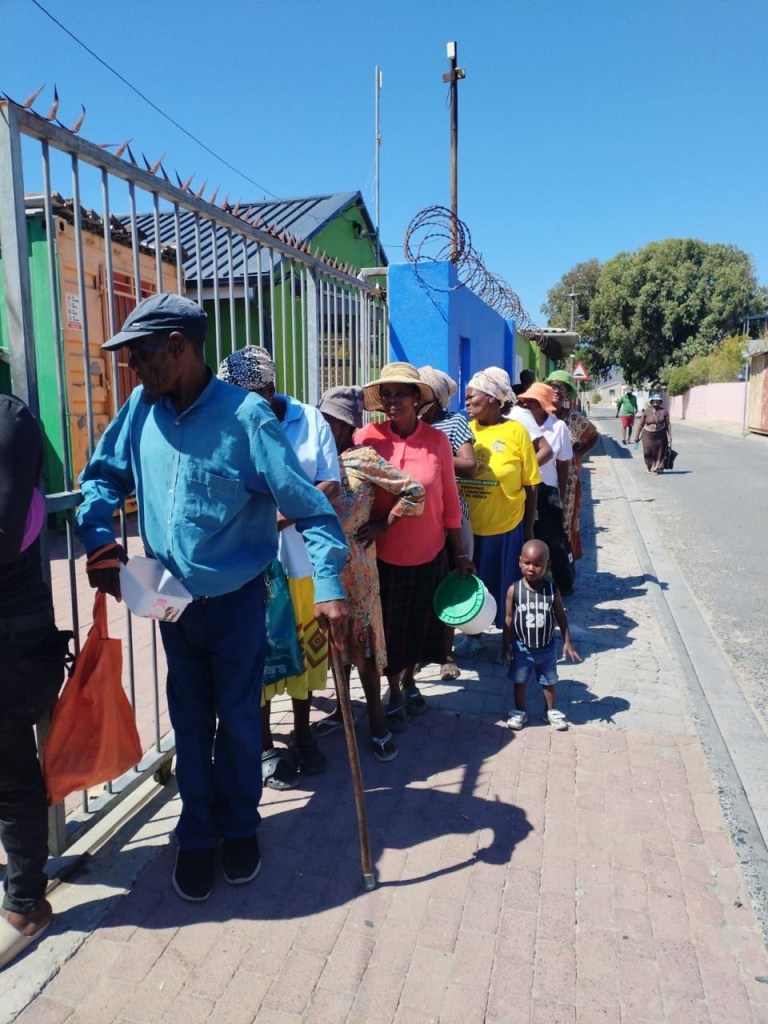
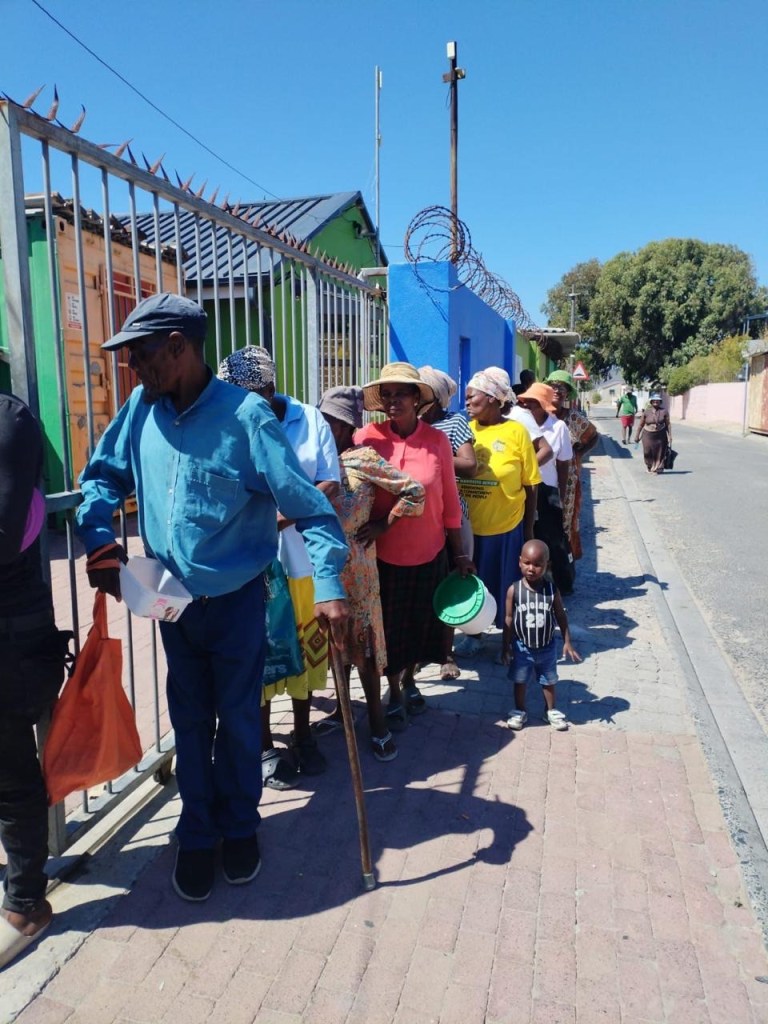
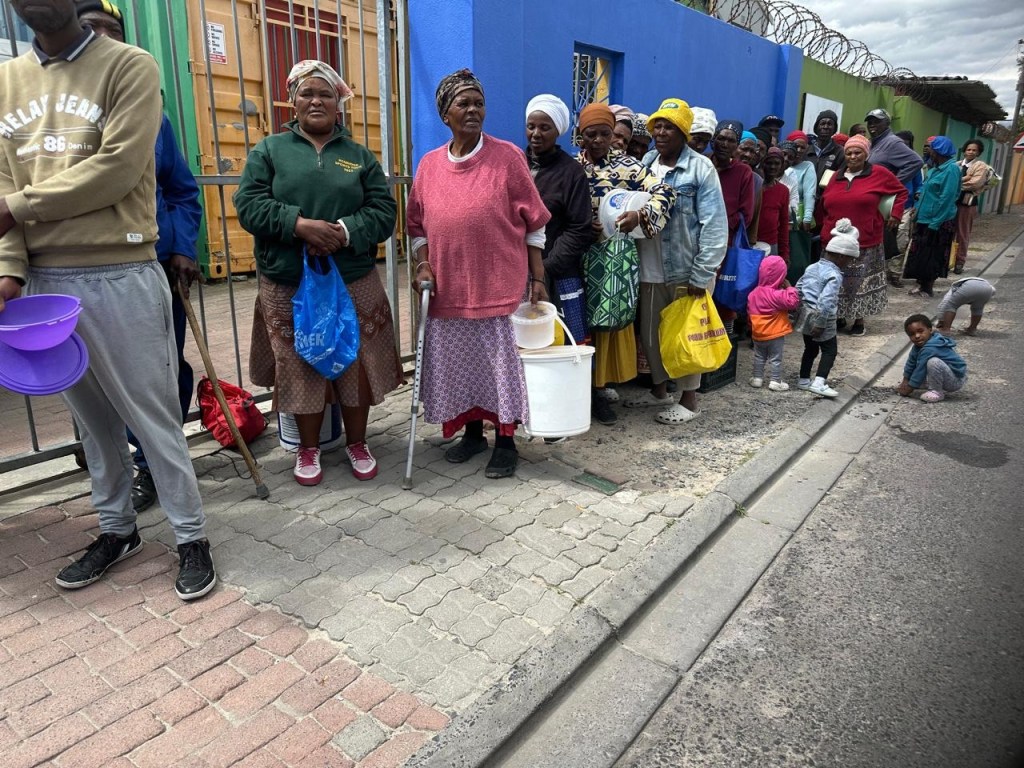
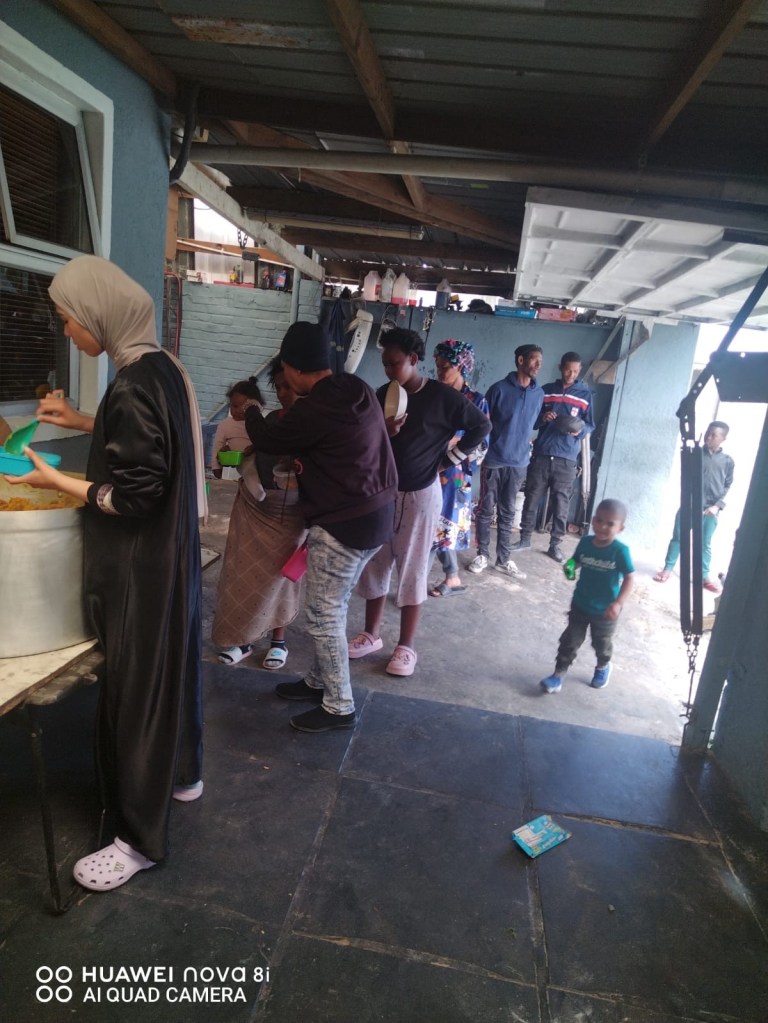
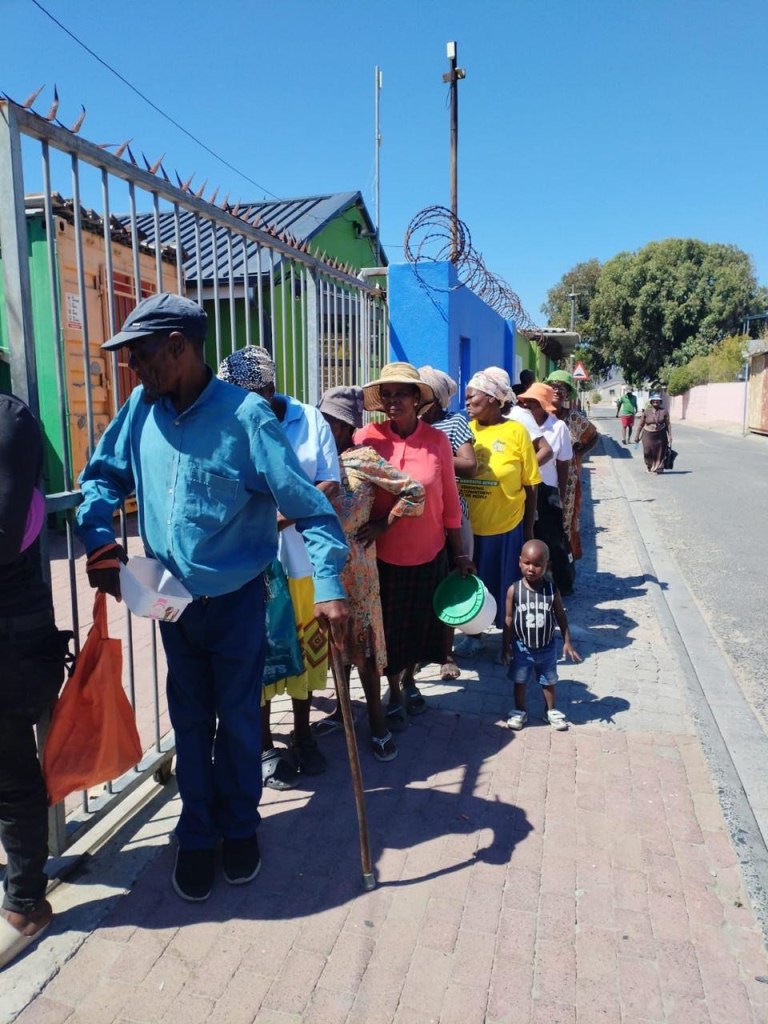
Adults queuing for food in Malaga Khayelitsha
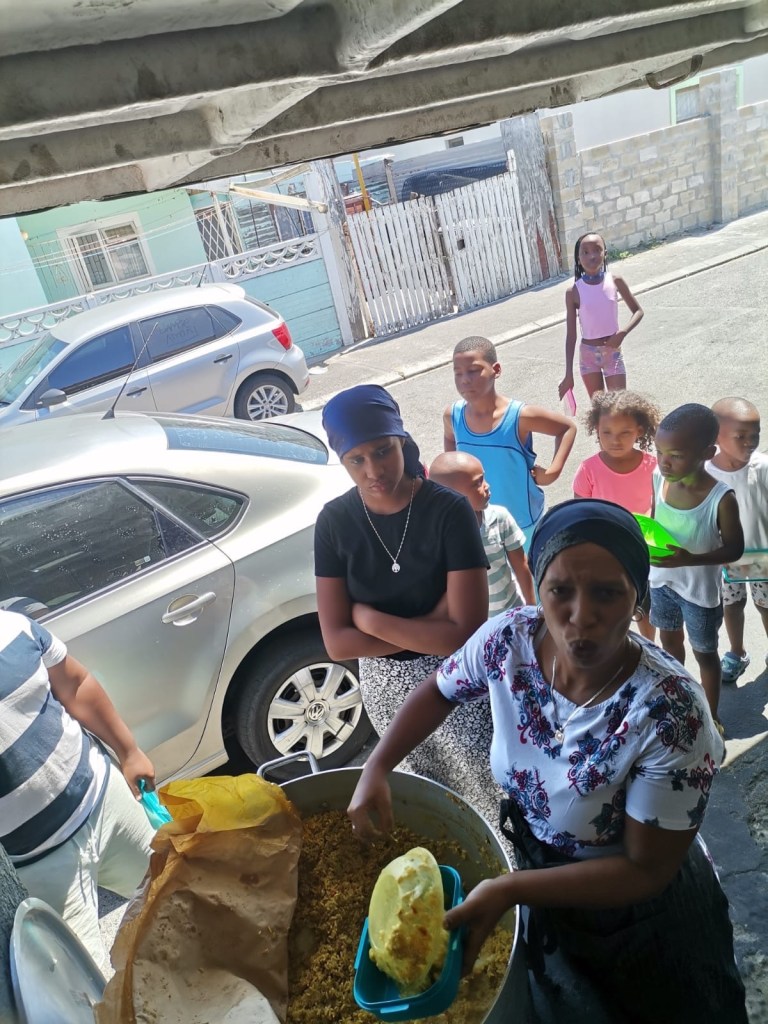
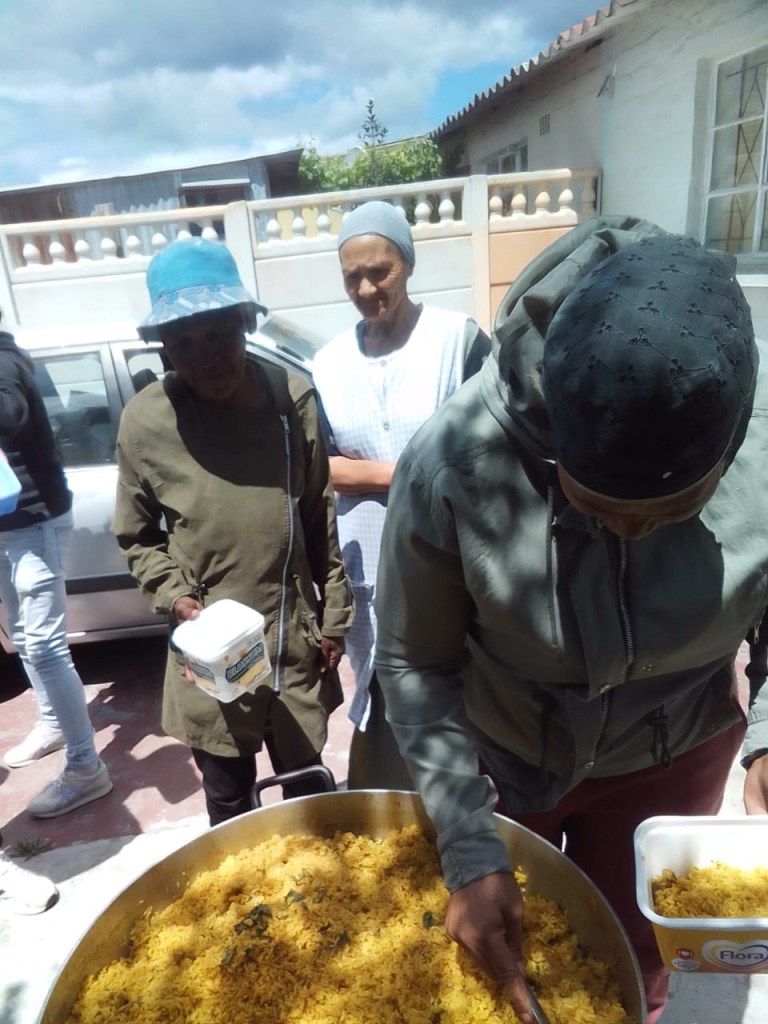
Faseegah and family assisting with food in Tafelsig
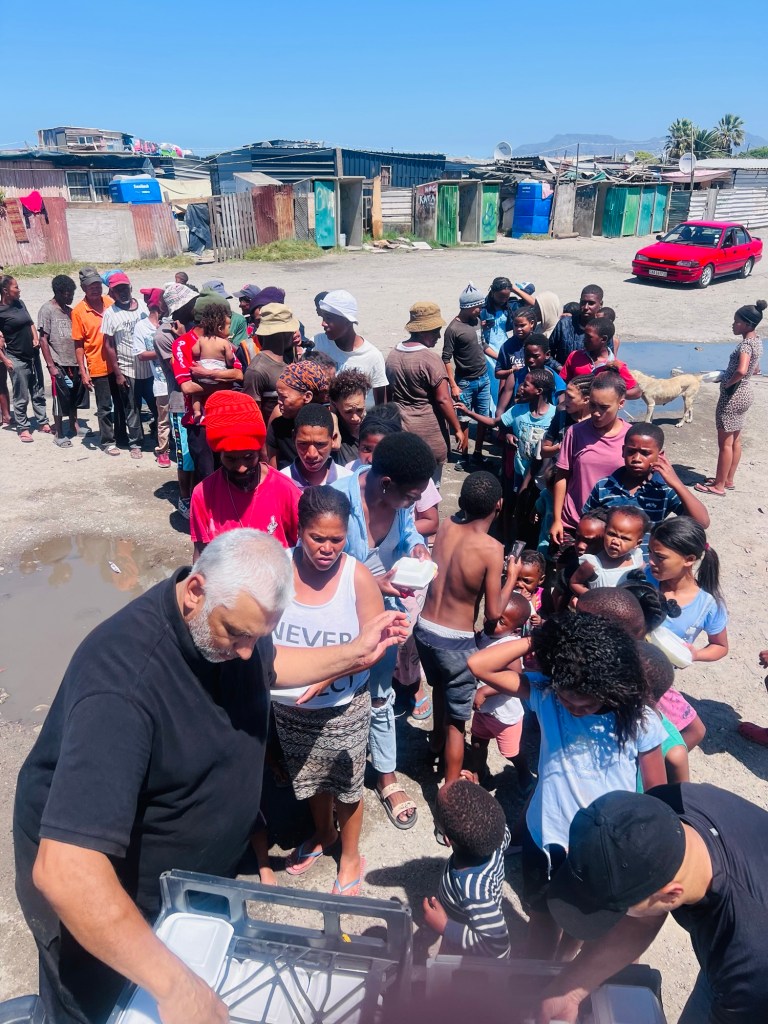
Feeding in Tafelsig

Teaching the Youth the Importance of Feeding

In every society, the future rests in the hands of its youth. They are the leaders, innovators, and caregivers of tomorrow. To prepare them for this responsibility, it is essential to instill values of compassion, service, and empathy. One of the most profound ways to do this is by teaching and training young people about the importance of feeding those in need. Beyond addressing hunger, these actions create hope, restore dignity, and lay the foundation for a more caring and united community.

Children and young adults learn not only through words but mainly through lived experiences. When they are exposed to initiatives that feed the hungry, whether through school drives, community kitchens, or volunteering they learn that kindness is of utmost importance. We had the of students from Oracle Academy in Ottery volunteer their time towards assisting communities.

By engaging the youth in these activities, we help them see beyond themselves. They begin to understand that hunger is not just a statistic but a lived reality for millions, sometimes even for people in their own neighborhoods. This awareness cultivates empathy and a sense of responsibility.

Food is more than nourishment, it is a symbol of care and belonging. A meal offered to someone in need communicates, “You matter. You are not forgotten.” For many, especially the vulnerable and marginalized, receiving food can reignite hope in a world where they often feel invisible.

When youth participate in feeding initiatives, they see first-hand how such simple acts can light up faces, uplift spirits, and bring comfort. They learn that hope is not always grand or distant it can be served on a plate, with a smile.

Today we fed another 2,750 people through the mercy of the Almighty, Alhamdulila. Feeding those in need should not be seen as a one-time project but as a way of life. By consistently involving the youth in these activities, a culture of generosity and service is nurtured. They grow up with the mindset that sharing is natural, kindness is strength, and hope is something they have the power to create.

Teaching and training the youth about the importance of feeding those in need is more than charity, it is character-building. It is about raising a generation that is not indifferent to suffering, but actively engaged in healing it. Through every shared meal, they will learn that hope can be created, dignity can be restored and a brighter tomorrow can be built one act of compassion at a time. Thank you for your continued support, help us assist those in need and inspire others to make a difference by donating today.

Women: Nurturers, Leaders, and Lifelines

Throughout history, women have been the heartbeat of humanity nurturing families, building communities, and quietly changing the world in ways often overlooked. Their greatness is not defined by a single role but by their ability to bear the weight of challenges and still extend a hand to those in need.

The late Maya Angelou once said:

I’m grateful to be a woman. I must have done something great in another life.

Indeed, women have always stood at the crossroads of resilience and compassion especially when it comes to feeding the hungry. This act is more than just providing food, it is a profound gesture of love, dignity, and hope.

Below are few examples of exemplary women:

1. Khadijah bint Khuwaylid (RA)

Known not only as the beloved wife of Prophet Muhammad ﷺ but also as a wealthy businesswoman, Khadijah (RA) used her resources to support the early Muslim community. She was instrumental in providing food, shelter, and protection during times of persecution, especially during the social boycott in Makkah when food was scarce.

2. Mother Teresa

A name synonymous with selfless service, Mother Teresa dedicated her life to caring for the poor and hungry in the streets of Calcutta. She famously said:

If you can’t feed a hundred people, then feed just one.

Her work inspired countless initiatives around the globe that continue to feed millions today.

3. Fatima al-Fihri

Though best known for founding the University of al-Qarawiyyin in Morocco the oldest existing university in the world, Fatima al-Fihri was also known in her community for charitable acts, including organizing food for the poor during times of famine.

4. Nana Asma’u

The 19th-century West African scholar and poet was deeply involved in social work, ensuring that women in her community had access to both education and sustenance, creating a ripple effect of empowerment and nourishment.

5. The Women of Today

From community soup kitchens in Cape Town to rural feeding programs in around the World, women are at the frontlines of hunger relief. They are mothers who skip meals to feed their children, activists who organize food drives, and entrepreneurs who use their businesses to fund community pantries.

Feeding others is one of the most profound acts of service and women often do it with a humility that hides its heroism. It’s not just about food it’s about saying, “You matter. You deserve dignity.

Islamic tradition beautifully reflects this spirit:

The best of you are those who feed others and return greetings of peace.” — Prophet Muhammad ﷺ (Hadith, Ahmad)

The greatness of women is written in the quiet acts of sacrifice the mother who wakes before dawn to prepare meals, the teacher who brings snacks for hungry students, the neighbour who shares her bread.

They are living reminders of an African proverb:

If you educate a man, you educate an individual. If you educate a woman, you educate a nation.

Feeding the hungry is more than charity it is a statement that the future matters. And for centuries, women have carried that truth in their hands, hearts, and kitchens.

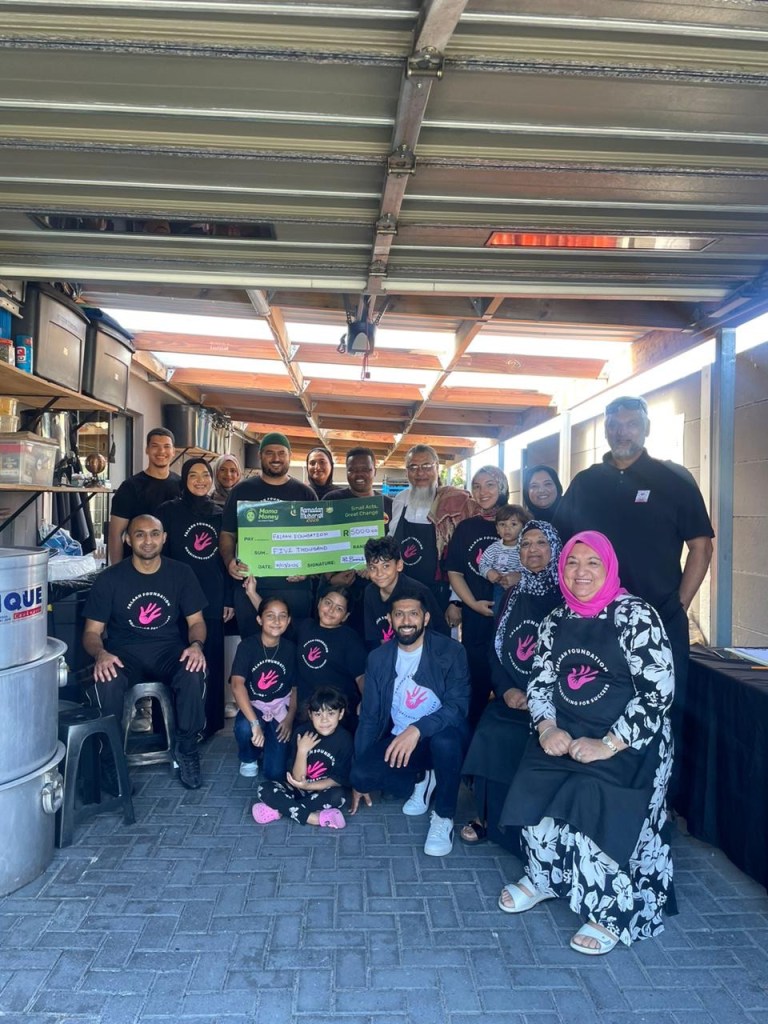
Let us not only celebrate these women but also strive be like them givers, nurturers, and builders of hope. Today we fed 2,750 people and women played a key role this initiative, may your love provide hope to those in need for many years.

Mandela Day 2025: Honouring a Legacy Through Compassion and Collaboration

In the spirit of Ubuntu, “I am because we are”, Health System Technologies (HST) and Kathea proudly partnered with Falaah Foundation this Mandela Day to bring warmth, nourishment, hope and dignity to those who need it most. From the elderly in under-resourced care homes, to orphaned children, to families struggling in informal settlements, this collaboration reflected not just the legacy of Nelson Mandela, but a call to action for every South African to serve humanity with love, humility, and urgency.

67 Minutes of Purpose, a Lifetime of Impact

Mandela Day is not merely a symbolic gesture, it is a rallying cry to carry forward the values Madiba stood for, which is justice, equality, compassion, and service. By contributing time and resources, HST and Kathea embraced their responsibility beyond boardrooms and technology, stepping into the heart of our communities to be of real, tangible help.

Today, more than 2,500 hot meals were lovingly prepared and distributed by dedicated teams. The day began with rows of pots simmering hearty food, as volunteers stirred, cooked, and packed with purpose. Across several locations in the Western Cape, queues of children, elderly citizens and families reflected not just the need, but of trust and the kindness being shared.

What counts in life is not the mere fact that we have lived. It is what difference we have made to the lives of others that will determine the significance of the life we lead.” – Nelson Mandela

Technology Meets Humanity

This initiative marked a unique fusion of sectors namely healthcare, communications and philanthropy. Health System Technologies, a leader in health information systems, and Kathea, a trusted name in unified communications, lent not only their people but also their leadership toward driving systemic change.

Their involvement went beyond food, it was about showing up, uplifting, and affirming the value of every person regardless of circumstance. The collaboration highlighted that corporate social responsibility must be active, intentional, and grassroots-focused to be meaningful.

The Falaah Foundation: Compassion in Action

For Falaah Foundation, serving the marginalized is a daily mission. With agility and love, their teams mobilized feeding operations across multiple locations namely informal settlements, aged care centers, and community shelters ensuring no one was left behind.

Their long-standing dedication to addressing food insecurity made them the perfect partner. By leveraging their networks and community trust, this Mandela Day was not only a success but a model for sustainable outreach.

Serving Humanity: The Ongoing Mandate

This Mandela Day reminded us that dignity begins with a full stomach, a warm hand, and the knowledge that someone cares. For HST and Kathea, this is not a once-off act. It is a blueprint for how businesses can stand shoulder to shoulder with the people they ultimately serve building hope, restoring faith, and transforming lives.

As we reflect on the legacy of Nelson Mandela, we are reminded that every act of kindness contributes to a larger movement of change. We call on other corporates, institutions, and individuals to rise to this challenge not just on occasions but every day.

It is in the hands of ordinary people to make a difference.” — Nelson Mandela

Together, let’s serve. Let’s uplift. Let’s build the South Africa that Madiba dreamed of, one plate, one hand, one heart at a time.

Muharram – A month of Sacrifice and Service

In our communities in Cape Town the tradition learnt by the elderly of giving gifts, charity and food to those in need is something we have implemented for many years to commemorate the start of the new lunar year. As the month of Muharram began, a sacred time in the Islamic calendar, the elderly gathered the children of the communities to give them gifts and teach them of the profound stories which occurred during this month.

“Muharram is the beginning of the Islamic year,” but more than that, it’s a time of reflection, a time to remember courage, truth, gratefulness and kindness.

We heard stories of Sayidina Hussain (RA), the grandson of the Prophet Muhammad (SAW), who stood up for justice even when facing great hardship. He and his companions endured hunger and thirst, but they refused to surrender their values. They chose what was right, not what was easy. So we tend to ask, “why would they suffer like that?”

The reason is because they believed in something bigger than themselves. They stood for fairness, dignity, and truth. And one way we can honor that spirit today is by helping those who are struggling in our families, our neighbours and those in our communities.

“True goodness is feeding the hungry, not out of duty, but out of compassion. As we celebrate Muharram let’s remember it’s not about religion alone, but about shared humanity, about remembering those who came before and continuing their legacy through acts of kindness.

Sacrifice for truth and justice is a universal value honored across all faiths and philosophies. Feeding the hungry is one of the purest forms of compassion, reminding us that dignity begins with a full stomach and a kind word. You don’t have to be wealthy to make a difference just willing to share what you have. Teaching the next generation about empathy and courage ensures a better world for all.

“Kindness is a language everyone understands—no matter your faith, your background, or your beliefs.”

And so, the stories of events that occurred in Muharram, once rooted in history, became a living example of how sacrifice can inspire service, and how one small act of giving can echo far beyond a single meal.

Hajj – The One Journey with Lessons to All

Each year, millions of Muslims from every corner of the world gather in Mecca to perform Hajj (Pilgrimage) one of the five pillars of Islam. It is one of the most profound and humbling human gatherings on Earth. But beyond the sacred rituals, Hajj offers deep, universal lessons that extend far beyond Islam. At its heart, the pilgrimage is a call to serve others, uplift the weak, and rediscover our shared humanity.

In a world divided by class, conflict, and inequality especially in South Africa, the message of Hajj couldn’t be more relevant. And whether you are Christian, Jewish, Hindu, Buddhist, or of no formal faith, the values embodied in Hajj echo the core teachings of all spiritual traditions being love, compassion, sacrifice, and community.

Pilgrims wear simple white garments called ihram, making kings and laborers indistinguishable. This powerful act is a declaration that before God, all are equal.

A Lesson to all that no matter your religion, wealth, or status, you are no more or less human than your neighbour. True spirituality begins when pride ends. The story of Prophet Ibrahim’s or as some call Abraham’s willingness to sacrifice his son symbolizes a willingness to surrender what we cherish for a higher cause. This sacrifice is not about loss, but about love in action. Every faith teaches us to give whether it’s time, resources, or attention to those in need solely for our Creator to give back to His creation. In a world obsessed with taking, we are called to be givers.

Today we fed 2,750 people taking the total fed to 307,750 from our surrounding communities, serving them a warm meal and seeing the smiles on their faces was heartwarming. We take the opportunity to thank all the sponsors and volunteers for their continued support.

Similarly, as Hajj is a movement of millions in unison. Different languages, colors, and cultures merge into one body of worship. The message is clear, humanity thrives in unity. What we need to reflect on is that our greatest strength lies in our togetherness. In moments of crisis, be it hunger, disaster, or conflict faithful action is seen in how we show up for each other.

Across Christianity’s commandment to “love thy neighbor,” Judaism’s tikkun olam (repairing the world), Hinduism’s seva (selfless service), and Islam’s zakat (obligatory charity) the call is the same:

We are closest to the Divine when we care for His creation.